Wedding Planning Checklist
Planning a wedding can feel exciting, but it can also become overwhelming when you have dozens of decisions to make. From choosing a wedding date and venue to sending invitations and organizing the final details, having a clear wedding planning checklist can make the entire process easier.
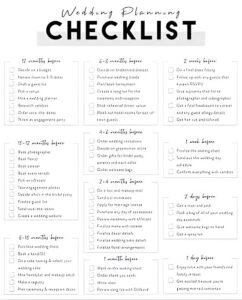
This complete wedding planning checklist breaks the process into manageable steps so you know what to do and when to do it. Whether you have 12 months, 6 months, or only a few weeks to prepare, you can adjust the timeline according to your wedding date, guest count, location, and type of celebration.
Quick Wedding Planning Checklist
Before getting into the month-by-month timeline, here are the major tasks you should keep track of:
- Set your wedding budget
- Choose a wedding date
- Create a preliminary guest list
- Choose a wedding style or theme
- Find and book your wedding venue
- Hire a wedding planner if needed
- Book your photographer and videographer
- Choose your caterer
- Select your wedding attire
- Book entertainment
- Choose flowers and decorations
- Send save-the-date cards
- Order and send wedding invitations
- Arrange transportation
- Plan the ceremony
- Choose your wedding cake
- Book hair and makeup services
- Plan your honeymoon
- Finalize the guest list
- Create the seating arrangement
- Confirm all vendors
- Prepare the wedding-day timeline
The order can vary depending on your wedding, but budget, guest count, venue, date, and major vendors usually influence many of the decisions that follow.
12+ Months Before the Wedding
If you have a year or more to plan, use this time to establish the foundation of your wedding.
Set Your Wedding Budget
Start by deciding how much you are comfortable spending on the entire wedding. Divide the budget into categories such as:
- Venue
- Catering
- Photography
- Videography
- Wedding attire
- Decorations
- Flowers
- Entertainment
- Invitations
- Transportation
- Wedding cake
- Beauty services
- Honeymoon
- Miscellaneous expenses
Keep a record of deposits, remaining balances, and payment deadlines so you can see what has already been committed.
Create a Preliminary Guest List
Your guest count affects the venue, catering, invitations, seating arrangements, and many other decisions.
Start with a rough list rather than trying to create the perfect final guest list immediately. Separate essential guests from optional invitations and update the list as your plans develop.
Choose a Wedding Date
Select your preferred wedding date and consider one or two backup dates.
Check the availability of your preferred venue and important vendors before making final arrangements. Popular venues and vendors can become unavailable well in advance, particularly during busy wedding seasons.
Choose Your Wedding Style
Think about the overall atmosphere you want.
Your wedding style might be:
- Classic
- Modern
- Traditional
- Minimalist
- Rustic
- Garden
- Elegant
- Beach
- Cultural
- Destination
Create an inspiration board containing ideas for colors, flowers, outfits, decorations, invitations, and photography.
9–12 Months Before the Wedding
Once the basic decisions are made, begin booking the major services.
Book the Wedding Venue
Visit potential venues and compare:
- Capacity
- Location
- Availability
- Catering options
- Parking
- Decoration policies
- Included services
- Setup and cleanup arrangements
- Total pricing
Read the contract carefully before making a booking.
Book Your Photographer and Videographer
Wedding photography and videography are often booked well ahead of the wedding date. Research different portfolios and compare their packages, coverage hours, deliverables, and contract terms.
Create a list of important photographs you want captured, including family portraits and special moments.
Choose Your Caterer
If catering is not included with your venue, research catering companies and compare menus, service styles, pricing, and dietary options.
Ask whether tastings are available before making your final decision.
Hire a Wedding Planner or Coordinator
A wedding planner can help organize vendors, schedules, logistics, and other details. If you prefer to manage the wedding yourself, consider assigning specific responsibilities to trusted family members or friends.
6–9 Months Before the Wedding
At this stage, your wedding should begin taking shape.
Choose Wedding Attire
Start shopping for:
- Wedding dress or bridal outfit
- Suit or groom’s attire
- Bridesmaid dresses
- Groomsmen outfits
- Shoes
- Accessories
- Jewelry
Allow enough time for alterations and fittings.

Book Hair and Makeup
Research makeup artists and hairstylists. Review their previous work and schedule a trial if possible.
Discuss the wedding-day schedule so everyone knows when preparation needs to begin.
Choose Flowers and Decorations
Decide which flowers and decorations fit your wedding style.
Consider:
- Ceremony decorations
- Reception centerpieces
- Bouquets
- Boutonnieres
- Entrance decorations
- Table decorations
- Lighting
- Wedding signs
Book Entertainment
Depending on your celebration, you may need:
- DJ
- Live band
- Singer
- Traditional performers
- Ceremony musicians
Confirm the venue’s sound and equipment requirements before signing contracts.
Send Save-the-Date Cards
If you are inviting guests who need to travel, sending save-the-date information early gives them time to make arrangements.
4–6 Months Before the Wedding
Now focus on stationery, ceremony details, travel, and smaller vendors.
Order Wedding Invitations
Finalize your invitation design and include important information such as:
- Names
- Wedding date
- Venue
- Ceremony time
- Reception information
- RSVP instructions
- Dress code
- Accommodation details
- Wedding website, if applicable
Proofread every detail before ordering.
Plan the Wedding Ceremony
Decide on:
- Ceremony order
- Readings
- Music
- Vows
- Processional
- Recessional
- Officiant
- Cultural or religious traditions
Make sure the ceremony plan fits your venue and personal preferences.
Order the Wedding Cake
Choose a cake design, flavor, size, and filling. Confirm delivery arrangements and make sure the baker knows the venue address and wedding schedule.
Arrange Transportation
If transportation is required, arrange vehicles for the couple and guests.
Consider transportation between:
- Getting-ready locations
- Ceremony venue
- Reception venue
- Hotels
- Airport or other travel points
Plan Your Honeymoon
Research destinations, transportation, accommodation, and required travel documents.
Book important arrangements early if you are traveling during a busy period.
2–3 Months Before the Wedding
This is the time to turn your plans into confirmed arrangements.
Send Wedding Invitations
Send invitations according to your planned RSVP deadline. Keep track of which guests have received invitations and which have responded.
Track RSVPs
Create a simple guest tracker containing:
- Guest name
- Invitation status
- RSVP response
- Number of guests
- Meal preference
- Special requirements
- Contact information
Finalize the Menu
Confirm the final menu with your caterer and communicate any dietary requirements.
Plan the Seating Arrangement
Once enough RSVPs have been received, begin creating the seating plan.
Consider family relationships, accessibility needs, guest preferences, and table capacity.
Confirm Wedding Vendors
Contact every major vendor and verify:
- Date
- Arrival time
- Location
- Services
- Payment status
- Contact information
- Special instructions
Keeping all vendor information in one document can make the final weeks much easier.
1 Month Before the Wedding
Your major decisions should now be complete. Focus on confirming details.
Finalize the Guest Count
Review your RSVP list and provide the required guest count to the venue and caterer.
Complete Final Fittings
Schedule final fittings for wedding attire and make sure shoes and accessories are ready.
Create the Wedding-Day Timeline
Prepare a detailed schedule covering:
- Getting ready
- Photography
- Ceremony
- Reception
- Meal service
- Speeches
- First dance
- Cake cutting
- Entertainment
- Departure
Share the relevant sections with your vendors and wedding party.
Prepare Wedding Items
Gather items such as:
- Wedding rings
- Invitations
- Guest book
- Marriage documents
- Wedding favors
- Emergency kit
- Accessories
- Gifts
- Ceremony materials
1–2 Weeks Before the Wedding
The final two weeks should focus mainly on confirmations rather than major new decisions.
Confirm Every Vendor
Call or message your vendors and confirm their arrival times, locations, responsibilities, and contact details.
Finalize the Seating Chart
Complete the seating arrangement and prepare table numbers, place cards, or seating signs if needed.
Prepare Payments and Tips
Organize any remaining vendor payments and prepare envelopes or payment methods ahead of time.
Pack for the Honeymoon
Prepare your luggage, travel documents, clothing, medications, toiletries, and other essentials.
Prepare an Emergency Kit
Consider including:
- Safety pins
- Sewing supplies
- Tissues
- Bandages
- Hairpins
- Stain remover
- Phone chargers
- Basic personal-care items
The Week of the Wedding
The wedding is almost here. Avoid unnecessary last-minute changes and focus on the final details.
Final Wedding Checklist
- Confirm the venue
- Confirm the caterer
- Confirm the photographer
- Confirm the videographer
- Confirm entertainment
- Confirm transportation
- Confirm hair and makeup
- Check wedding attire
- Prepare rings
- Prepare documents
- Prepare vendor payments
- Give the final guest count
- Distribute the wedding timeline
- Pack the honeymoon luggage
- Prepare ceremony items
- Delegate final responsibilities
Try to give important responsibilities to trusted people rather than handling everything yourself.
The Day Before the Wedding
Use the day before your wedding for final preparations and rest.
Day-Before Checklist
- Attend the rehearsal if required
- Confirm ceremony details
- Check wedding attire
- Prepare accessories
- Confirm transportation
- Deliver items to the venue if necessary
- Prepare rings and documents
- Check vendor arrival information
- Pack personal essentials
- Get enough rest
Avoid creating major new plans at this stage unless something genuinely needs attention.
Wedding Day Checklist
On the wedding day, your priority should be following the schedule and enjoying the celebration.
Morning
- Eat breakfast
- Drink water
- Check the getting-ready schedule
- Keep wedding attire and accessories together
- Confirm rings and important documents
- Begin hair and makeup on time
Before the Ceremony
- Complete final photographs
- Check transportation
- Confirm ceremony setup
- Make sure the wedding party knows where to be
- Give rings and important items to the responsible person
During the Reception
Follow the planned timeline for:
- Grand entrance
- Welcome
- Meal
- Speeches
- First dance
- Special dances
- Cake cutting
- Entertainment
- Guest activities
Remember that the exact order depends on your culture, traditions, venue, and personal preferences.
After the Wedding
Wedding planning does not completely end when the ceremony is over.
Post-Wedding Checklist
- Return rented items
- Collect personal belongings
- Confirm vendor payments
- Collect photographs and videos when available
- Send thank-you messages
- Preserve important wedding items
- Review honeymoon arrangements
- Handle any remaining administrative paperwork
Wedding Planning Checklist for a Short Engagement
Not everyone has a full year to plan a wedding. If you have only three to six months, prioritize decisions that affect everything else.
Start with:
- Budget
- Guest count
- Wedding date
- Venue
- Major vendors
- Wedding attire
- Catering
- Invitations
- Ceremony
- Photography
- Decorations
- Final guest count
- Seating
- Vendor confirmations
A shorter timeline requires more frequent decisions, but many wedding tasks can be combined or completed simultaneously.
Wedding Planning Checklist for a Destination Wedding
Destination weddings require additional travel-related planning.
Your checklist should include:
- Choose the destination
- Research travel requirements
- Select the venue
- Estimate guest travel costs
- Arrange accommodation
- Send save-the-dates early
- Research local vendors
- Plan transportation
- Confirm legal requirements
- Prepare welcome information
- Create an itinerary
- Confirm guest arrivals
- Arrange activities
- Prepare an emergency contact list
Destination weddings may require earlier planning because guests need additional time to arrange transportation and accommodation.
Wedding Planning Checklist for Pakistani Weddings
For a Pakistani wedding, planning can involve several separate functions rather than a single event. Depending on the family and cultural traditions, these may include Mehndi, Nikah, Barat, and Walima.
For each function, create a separate checklist covering:
- Date
- Venue
- Guest list
- Catering
- Outfits
- Decorations
- Photography
- Transportation
- Invitations
- Makeup and hair
- Entertainment
- Family responsibilities
Keeping each function in its own planning section can make a multi-event wedding easier to organize.
How to Stay Organized While Planning a Wedding
A wedding checklist works best when every task has an owner and a deadline.
Use a spreadsheet, wedding planner, calendar, or digital task-management system to track your progress.
Create columns for:
| Task | Deadline | Person Responsible | Status |
|---|---|---|---|
| Book venue | 12 months before | Couple | Pending |
| Hire photographer | 10 months before | Couple | Pending |
| Send invitations | 2–3 months before | Couple | Pending |
| Final guest count | 1 month before | Coordinator | Pending |
| Confirm vendors | 1–2 weeks before | Coordinator | Pending |
Avoid keeping important information across multiple disconnected notes, messages, and documents. One central planning system makes it easier to see what has been completed and what still needs attention.
Common Wedding Planning Mistakes to Avoid
Even an organized couple can overlook small details. Watch out for these common mistakes:
Booking the Venue Before Considering the Guest Count
A venue should be suitable for your expected number of guests. A preliminary guest list helps you understand the required capacity.
Forgetting Vendor Contracts
Keep copies of contracts, invoices, payment schedules, and contact information in one location.
Leaving Invitations Until the Last Minute
Give yourself enough time for design, printing, addressing, delivery, and RSVP collection.
Not Creating a Wedding-Day Timeline
Without a clear timeline, vendors and family members may not know where they need to be or when.
Trying to Handle Everything Yourself
Delegate tasks to reliable people. A wedding involves many moving parts, and sharing responsibilities can make the planning process more manageable.
Printable Wedding Planning Checklist
Use this quick checklist as your master list:
Planning Basics
☐ Set wedding budget
☐ Choose wedding date
☐ Create guest list
☐ Choose wedding style
☐ Create planning calendar
Venue and Vendors
☐ Book venue
☐ Book photographer
☐ Book videographer
☐ Book caterer
☐ Book florist
☐ Book entertainment
☐ Book hair and makeup
☐ Arrange transportation
Attire
☐ Choose wedding outfit
☐ Choose groom’s outfit
☐ Choose wedding party attire
☐ Buy shoes
☐ Buy accessories
☐ Schedule fittings
Stationery
☐ Design invitations
☐ Order invitations
☐ Send invitations
☐ Track RSVPs
☐ Prepare seating chart
☐ Order table numbers and place cards
Ceremony and Reception
☐ Plan ceremony
☐ Choose readings and music
☐ Write vows
☐ Choose wedding cake
☐ Finalize menu
☐ Plan decorations
☐ Prepare reception timeline
Final Weeks
☐ Confirm guest count
☐ Confirm vendors
☐ Complete final fitting
☐ Prepare payments
☐ Prepare wedding rings
☐ Pack honeymoon luggage
☐ Share final timeline
Frequently Asked Questions About Wedding Planning
How early should you start planning a wedding?
Many couples begin planning around a year before the wedding, although the ideal timeline depends on the type of wedding, location, guest count, and vendor availability. A longer timeline provides more flexibility, while a shorter engagement requires prioritizing the most important decisions first.
What should you do first when planning a wedding?
Start by discussing your budget, approximate guest count, preferred date, and wedding style. These decisions provide the foundation for selecting a suitable venue and planning other major services.
What are the most important wedding vendors to book first?
The venue and major vendors such as photographers, caterers, entertainment, and other high-demand services should generally be researched early. Availability varies by location and season, so your actual booking timeline may need to be adjusted.
When should wedding invitations be sent?
A common planning approach is to send formal invitations several weeks before the wedding, allowing guests enough time to respond before the final guest count is due. Your exact timing can vary depending on the type of wedding and whether guests need to travel.
How do I plan a wedding on a short timeline?
Start with the essentials: budget, guest count, date, venue, catering, photography, attire, invitations, and ceremony arrangements. Combine tasks where possible and make decisions quickly while keeping all deadlines in one planning system.
Do I need a wedding planner?
Not necessarily. Some couples manage their own wedding using a detailed checklist and help from family or friends. A professional planner or coordinator can be useful when the event has many vendors, multiple locations, complex logistics, or several wedding functions.
What should I do one month before my wedding?
Focus on final guest numbers, seating arrangements, vendor confirmations, attire fittings, payments, ceremony details, and the wedding-day timeline. At this stage, most major decisions should already be complete.
Final Thoughts
A good wedding planning checklist turns a complicated collection of tasks into a clear sequence. Start with the budget, guest count, date, and venue, then gradually move through vendors, attire, invitations, ceremony details, and final arrangements.
You do not have to complete everything at once. Work according to your wedding date, give every important task a deadline, and delegate responsibilities when possible. With a structured plan, you can spend less time worrying about what you might have forgotten and more time enjoying the journey toward your wedding day.

Leave a Reply